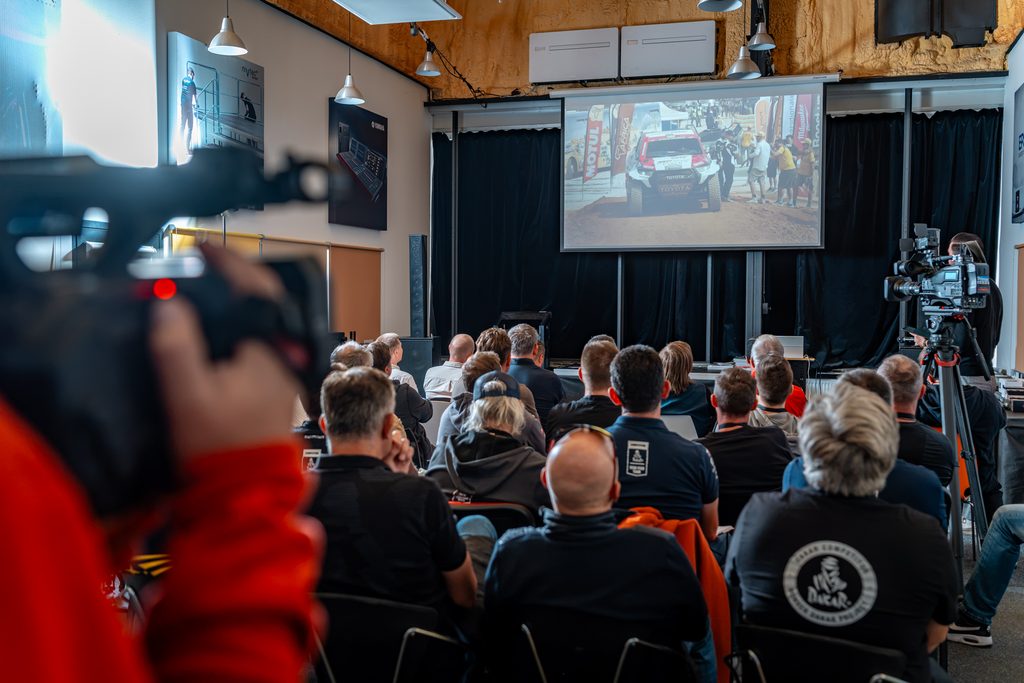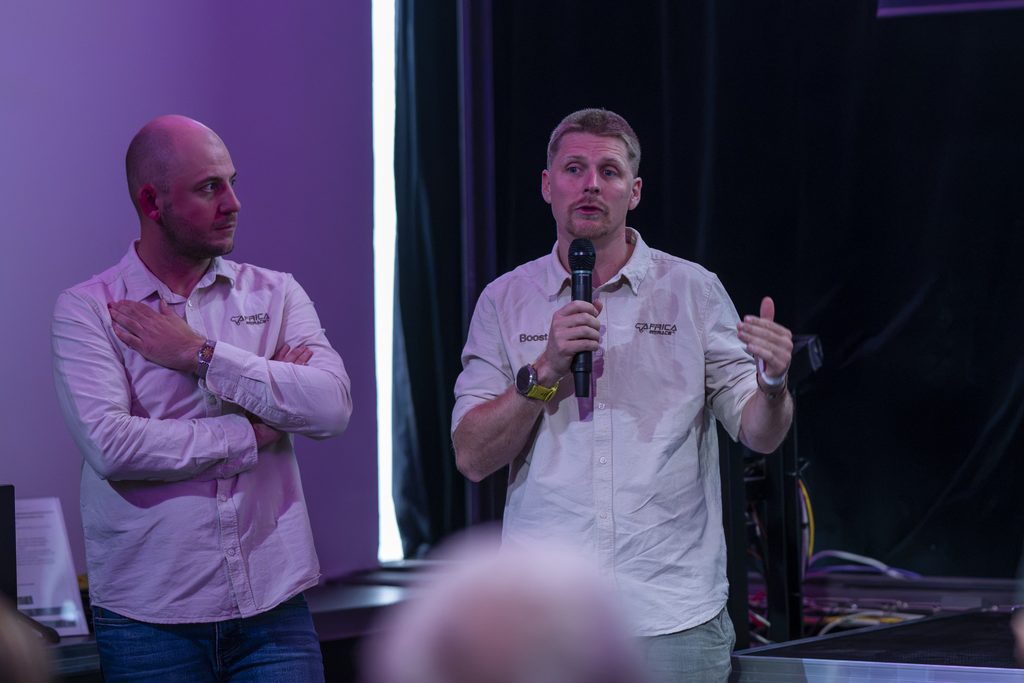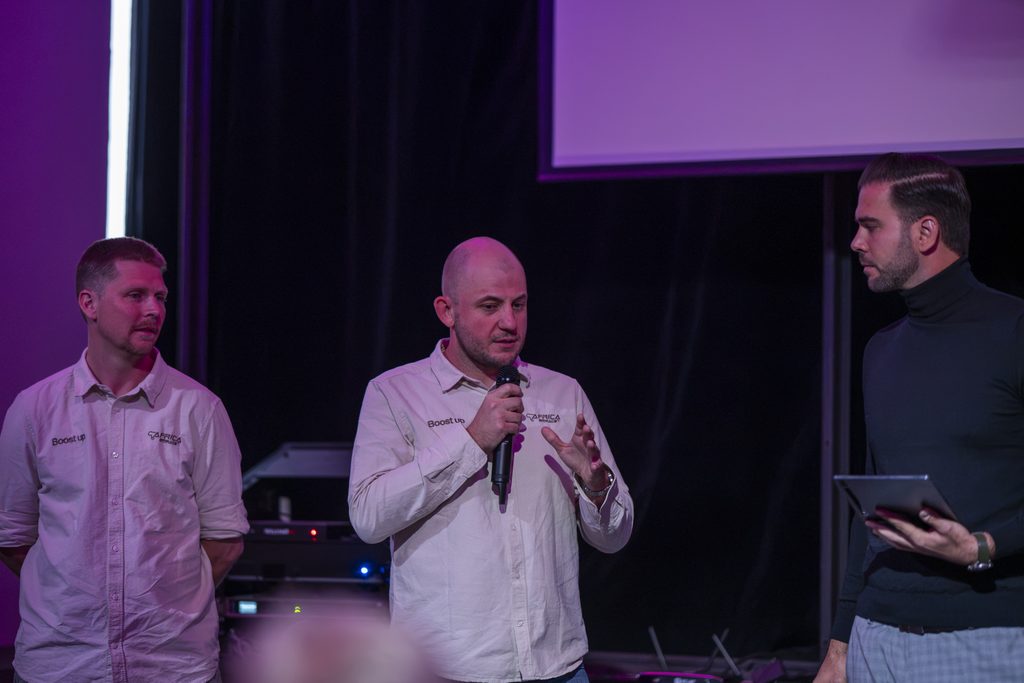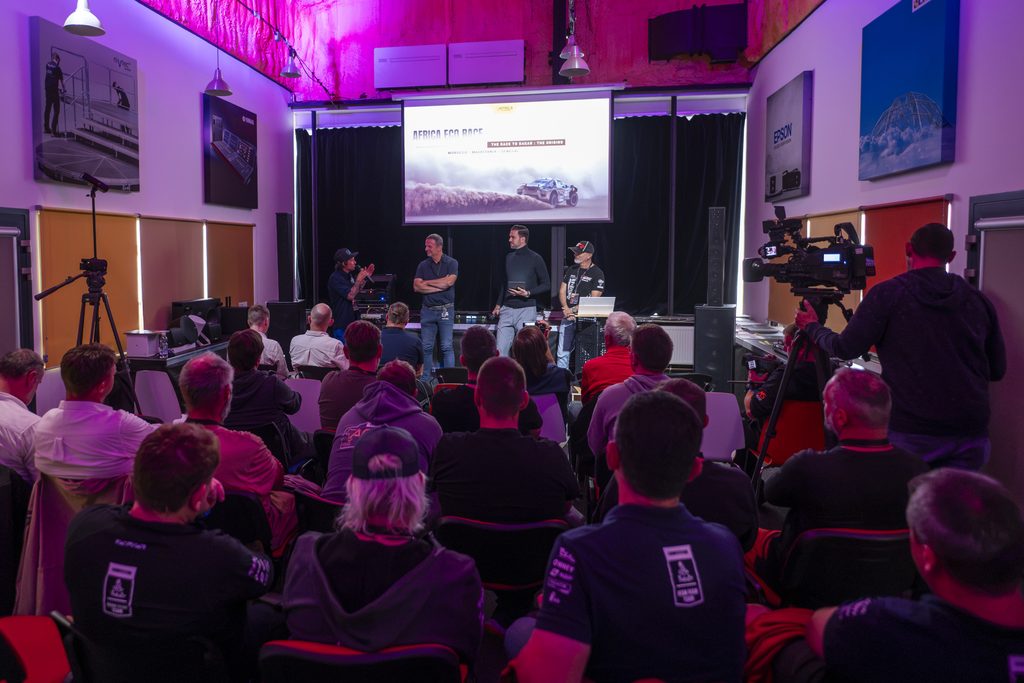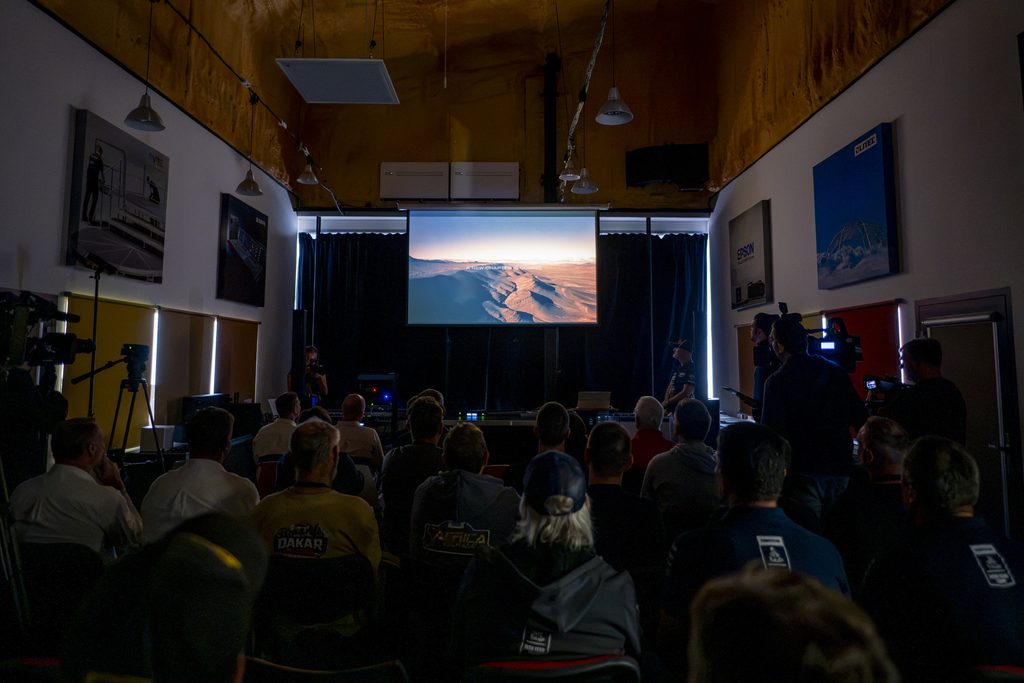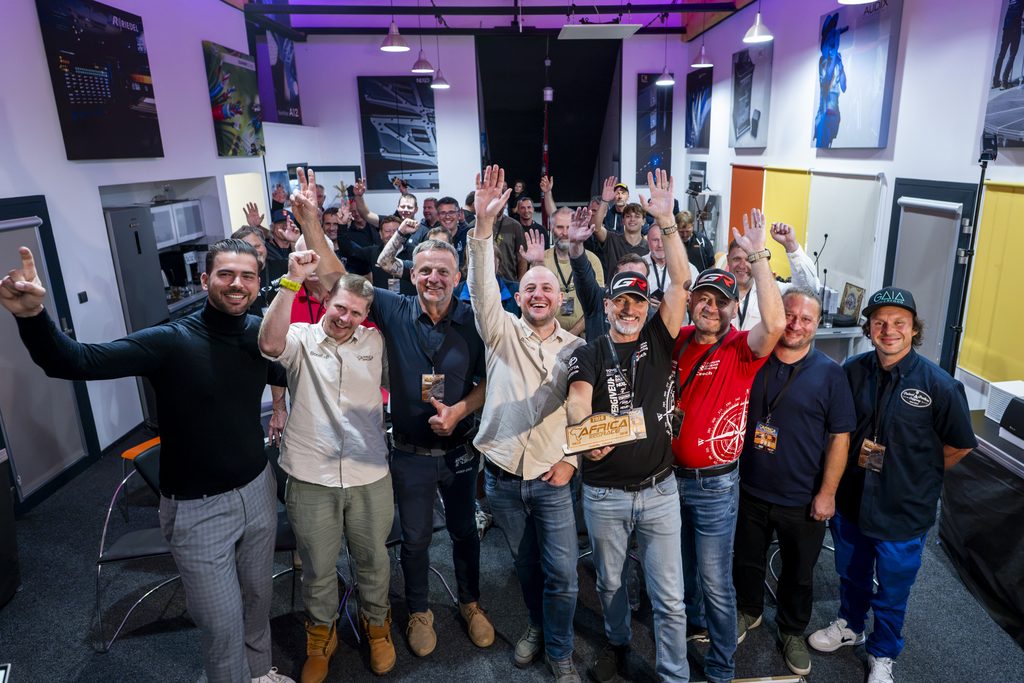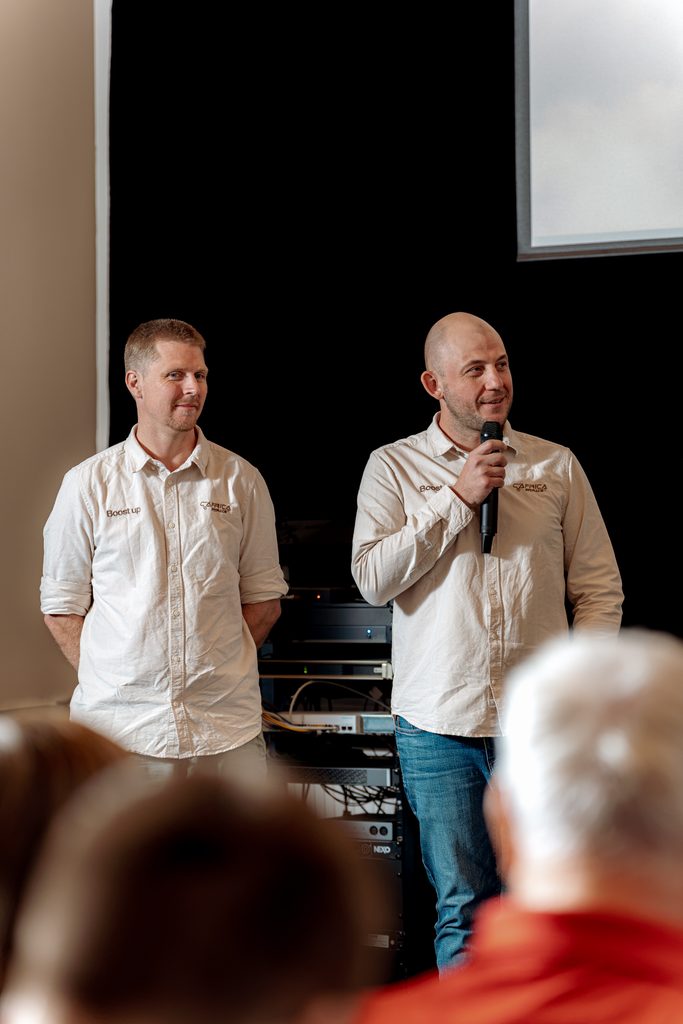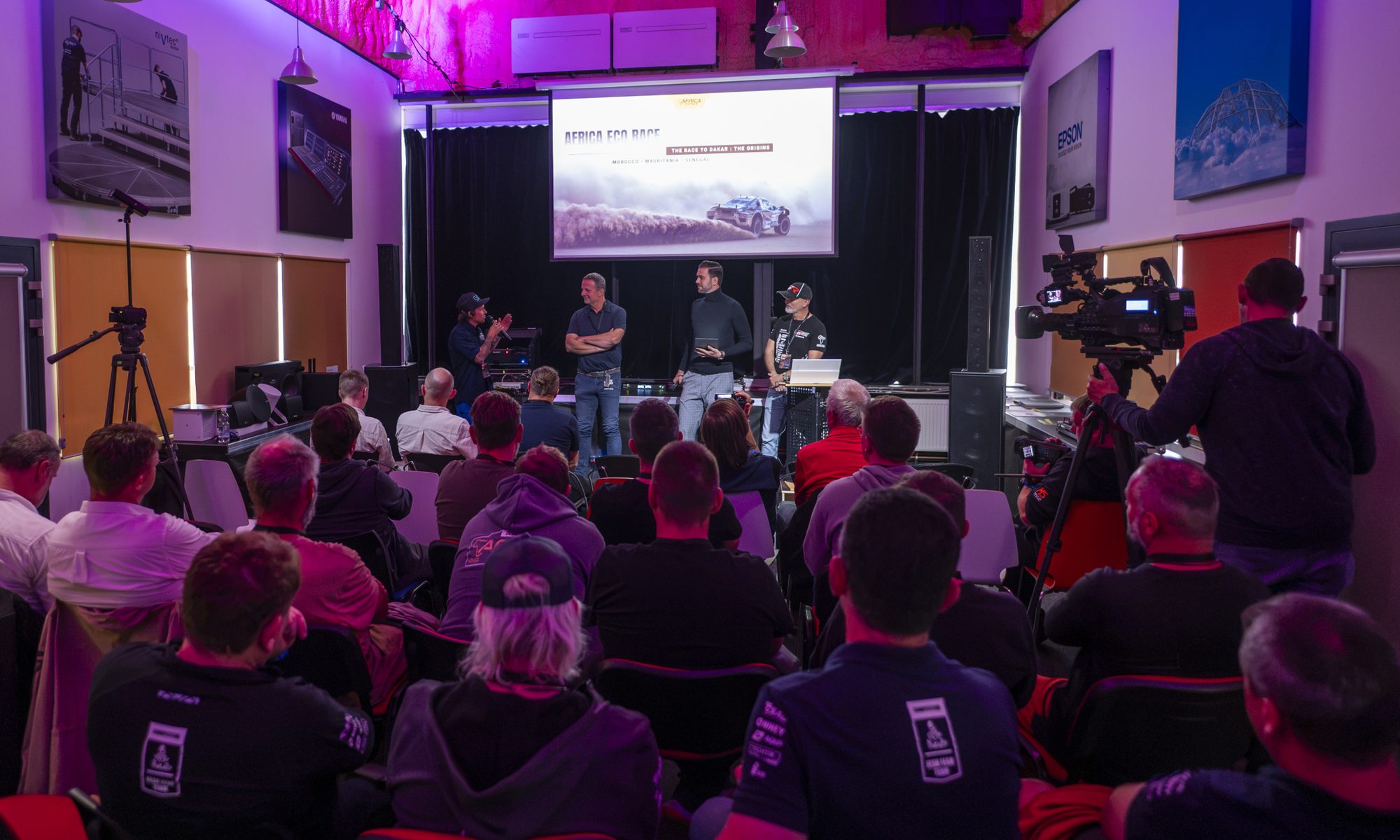
Conflict in the Middle East has put the Dakar—specifically the Dakar Rally, the long-distance event held in Saudi Arabia since 2020—at serious risk. At the same time, however, there is certainty that a “Dakar” race will take place: the African one, held in the region where most editions of the original Paris-Dakar Rally concluded.
The Africa Eco Race is set to kick off for the eighteenth time.
It is a twelve-stage competition held in the spirit and footsteps of Thierry Sabine, the founder of the Dakar race. It turns out that some competitors are taking advantage of the anticipated hiatus in the original-branded event to race where it all began.
Three months before the start of their event, Dakar organizers announced that it would definitely not take place on the previously announced route. Consideration is being given to an area further north in Saudi Arabia, where the competition could be held within a smaller area under some form of anti-missile protection. The question remains, however, how competitors would reach such a protected zone. The Houthis have warned that they intend to use the airspace over Saudi Arabia for their operations, and the situation regarding maritime traffic is similar.
During a meeting at the conclusion of the Rallye du Maroc, David Castera proposed a “Plan B”: organizing a smaller, “Baja-style” race in the Merzouga dunes area of Morocco. However, the “Dakar” brand cannot be used outside of Saudi Arabia. For ASO, organizing a Dakar rally in the style of the previous African events—running from Morocco through Mauritania to Senegal—is out of the question, not least for political reasons. Moreover, the event has become a massive undertaking—a logistical behemoth—that even South American nations struggled to manage.
The Africa Eco Race operates under completely different circumstances. The competition was launched in 2009 at the initiative of Dakar legends René Metge, Hubert Auriol, and Jean-Louis Schlesser, who refused to accept the rally’s departure from Africa. For a long time, the race began in Monte Carlo, a location steeped in motorsport tradition. In recent years, however, logistics have been simplified; the journey always begins by ferry from a French port—this time, Sète. Once the ferry transports the participants and their vehicles to Tangier, Morocco, the event proceeds with administrative and technical checks, the prologue, and the official start. The convoy then travels across the Atlas Mountains—traversing rocky terrain, fast tracks, dry wadis, and dune fields of varying sizes—heading south toward Western Sahara. From there, it pushes into the endless sands and dunes of Mauritania before finally reaching the finish line at Lac Rose (Pink Lake) near Dakar, the capital of Senegal.
In recent years, there has been much discussion regarding the difference in entry fees between the two Dakar-style events. Let us first compare the lengths of the timed special stages. The most recent edition of the Dakar Rally covered 4,840 km across 13 stages. The 2027 Africa Eco Race will feature 12 stages and a total distance of 4,300 km for competitors. For both events, organizers guarantee that the price includes: vehicle transport; all costs related to navigation and safety equipment; race fuel for motorcycles and SSVs; meals in the bivouacs; and medical care, including repatriation if necessary. In smaller competitions, almost everything—with the possible exception of catering—is charged separately. The entry fee for a motorcycle is €20,400 in Saudi Arabia and €15,400 in Africa. For cars and SSVs, the most recent fees in Saudi Arabia were €32,650 for both categories, whereas in Africa, the costs are €14,400 and €22,400, respectively. Trucks are naturally the most expensive: €45,900 versus €29,900. The entry fee for the increasingly popular historic vehicle category is also higher at the “main” Dakar—€18,350—compared to €16,800 for the “second-tier” event.
Tomáš Tomeček is a long-standing Czech competitor in the Africa Eco Race. He returned to Africa in 2011; in addition to competing, he provides the organizers with his Tatra 815 trucks, which have been modified into desert recovery vehicles known as balais. Tomáš Ouředníček has also been racing successfully in the Africa Eco Race recently, and Roman Krejčí performed well on a motorcycle this past January. In the past, we have seen Lukáš Kvapil, Ján Vondrášek, Jiří Kalát, and Jiří Brož on motorcycles; Miroslav Zapletal in cars; and Jaroslav Valtr and Petr Čapka in the truck category. This year, too,
a top name from the Czech truck racing elite has signed up, and other well-known
drivers are showing interest. It is already confirmed that Miklos Kovacs, a former winner of the African race, will be competing. Perhaps
even more interesting is the entry of Janus van Kasteren—who defeated
Martin Macík at the 2023 Dakar—driving a Century vehicle.
What the Dakar Rally in Saudi Arabia will look like, or whether it will take place at all in any form, remains uncertain at this moment. The eighteenth edition of the Africa Eco Race is scheduled for January 24 to February 6, 2027. The day after the finish in Dakar, the ship carrying the vehicles and equipment will set sail back to France, usually arriving within a week to ten days. And another Dakar adventure will be behind us.
Africa Eco Race 2027 – Key Facts:
Event dates: January 24 – February 6, 2027
Total race distance: 6,000 km
Total distance of timed sections: 4,300 km
Historic vehicles: 3,000 km
Number of stages: 12 + prologue + rest day
Schedule:
19 Jan 2027 – Ferry departure from Sète (France)
21–23 Jan 2027 – Scrutineering in Tangier (Morocco)
24 Jan 2027 – Prologue and official start
25–29 Jan 2027 – Five stages in Morocco
30 Jan 2027 – Rest day in Dakhla
31 Jan – 4 Feb 2027 – Five stages in Mauritania
5 Feb 2027 – Stage in Senegal
6 Feb 2027 – Final stage and podium ceremony at Pink Lake, Dakar (Senegal)
7 Feb 2027 – Ferry departure from Dakar (Senegal)
14–18 Feb 2027 – Expected return of participants